 21 minutes read
Stop hiring resumes and start hiring paralegals who can work. Hope you enjoy spending your afternoons sifting through polished bullet points and running interviews, because the wrong paralegal interview questions turn hiring into a theater production. The standard “tell me about your strengths” won't tell you if someone can manage a high-volume document review from a home office, keep client files straight, or notice a confidentiality landmine before it becomes your problem.
The good news is that paralegal interviews already have a recognizable backbone, with recurring themes around motivation, confidentiality, research, drafting, deadlines, teamwork, and client contact, as summarized in a compiled guide to paralegal interview questions. That structure is useful, but it's also incomplete for remote hiring. If you're vetting someone who'll work asynchronously, you need questions that expose judgment, self-management, and tech fluency, not just polite enthusiasm and a decent webcam.
So skip the fluff. Ask questions that make candidates show their work, not just talk about it.
A candidate can smile through “I'm very organized” all day. That tells you nothing. Ask about document management systems and you find out fast whether they've lived inside tools like Clio, NetDocuments, or LexisNexis, or whether they've only encountered the names in passing and nodded like a golden retriever in a blazer.
For remote paralegals, this matters because file control is the job. If someone can't explain how they search, tag, retrieve, and secure documents without hand-holding, they're going to spend your week asking where things live. That signals dependency with Wi-Fi.
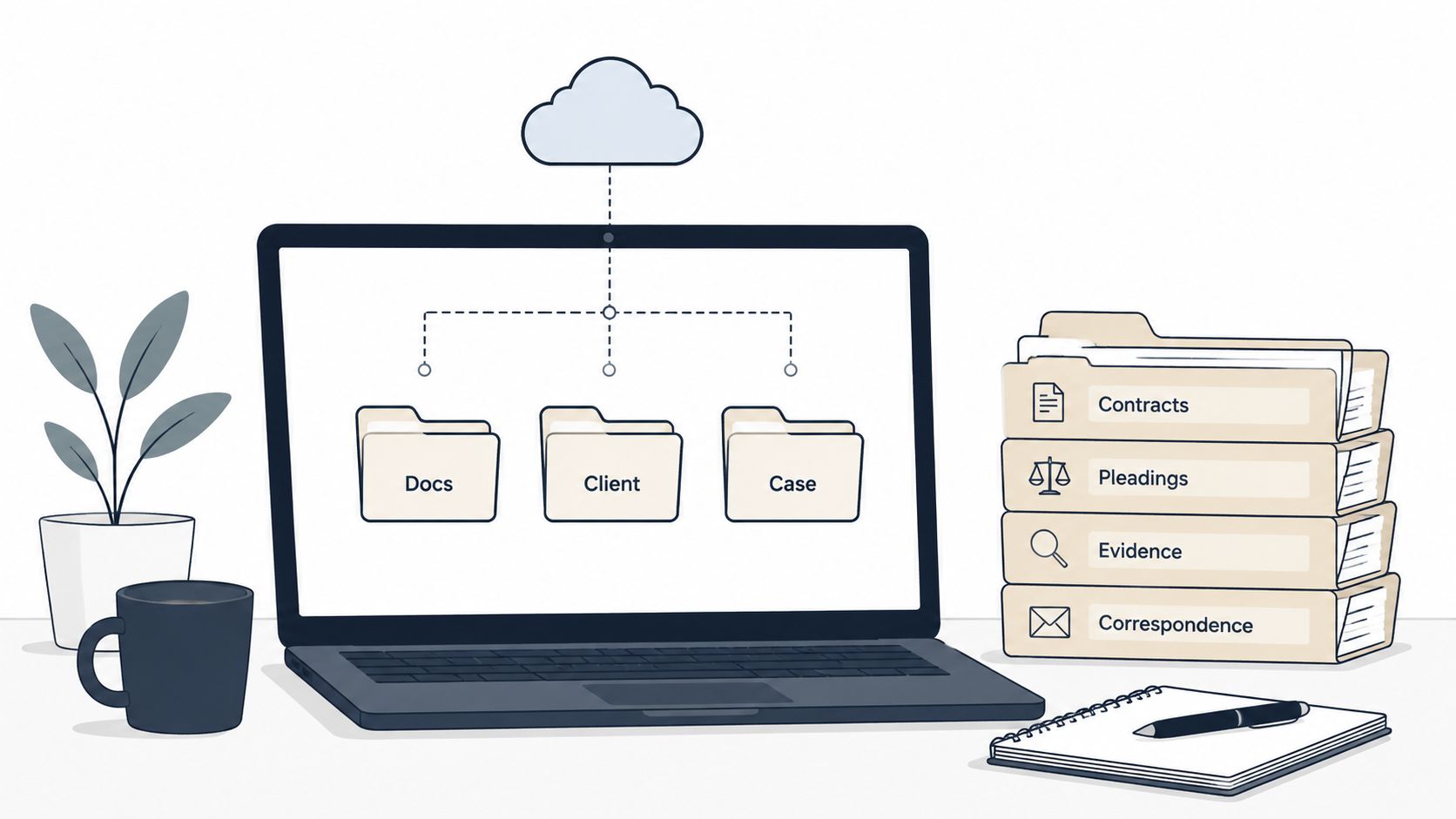
Listen for specifics, not brand-dropping. A strong candidate will talk about a filing structure they built, metadata they used, OCR searches they rely on, or how they trained teammates on best practices. If they only list software names, they're reciting a résumé. If they describe a workflow they improved, they've done the work.
You can press on feature-level detail without turning the interview into a software support ticket. Ask how they'd adapt to a new platform, how they tailor filing systems for different practice areas, and how they think about security and compliance. If they can't talk clearly about those pieces, they're probably not ready to own documents unsupervised.

Practical rule: the best candidates describe how a system changed their workflow, not just which system they touched.
For firms building out their own process, it helps to know what document stack you expect on day one, so a candidate's answer can be judged against your setup. If you want a useful reference point for what law firms typically compare, take a look at this guide to best document management software for law firms.
A candidate who can explain a smooth transition from one system to another is telling you something bigger than software comfort. They're telling you they can learn fast, keep files clean, and survive contact with a busy legal team without setting off alarms. That matters even more when the person is remote and has to solve problems before anyone else notices them.
Use a practical screen if you want to separate confidence from competence. Ask them to walk through a recent file migration, a naming convention they used, or a mistake they caught while cleaning up a matter folder. Then check whether they can explain the why behind the process, not just the steps. If you want extra practice prompts, you can always find interview question drills before the interview starts.
Ask about the features they used, not just the platform name. That's where the real signal lives.
A candidate who can handle document review without drama separates themselves fast. Remote work exposes the truth quickly. There is no one hovering nearby to rescue sloppy pacing, and no one wants to discover at 4:55 p.m. that a stack of files was handled by optimism alone. A strong answer shows prioritization, quality control, and the judgment to raise a flag early instead of pretending the pile will magically sort itself out.
A weak candidate says, “I'd just buckle down.” A motivational poster, not a process. A stronger candidate talks about batching files, setting checkpoints, using keyword searches, and flagging ambiguous items for attorney review before the deadline turns ugly.
The shape of the answer matters more than the polish. You want a system that handles pressure without turning the work into a mess.
A strong example is a candidate who explains how they would split a large production set into batches, review in scheduled blocks, and run daily QA before moving on. Another solid answer is someone who says they flag unclear documents early instead of sitting on uncertainty like it's a prized collection. That mindset matters in a remote hire, because silence is how small problems become expensive ones.
Portland Community College's interview list includes the prompt, “Tell me about a time you had to organize and analyze a large volume of data in order to prepare a report by a tight deadline,” which is exactly the kind of question that reveals whether a candidate can handle pressure without melting into a pile of sticky notes. You can see that framing in the PCC paralegal interview-question list.
For a practical hiring benchmark, use the answer to test whether the candidate can give you a real workflow, not a vibe. If they can describe how they've kept multiple matters moving, tracked issues, and communicated progress without being chased, they are probably useful. If they default to vague grit language, keep looking. For a closer look at the kind of role that puts this skill to work, review this legal document review job overview.
find interview question drills
This is the question that separates people who can research from people who can spell Westlaw. Plenty of candidates can name a database and then stop there, which is fine for a trivia night and useless for remote legal work. The stronger answers show how they think, how they verify, and how they decide a source is worth trusting.
That matters because remote paralegals do not get rescued by a nearby coworker when a statute looks odd or a memo starts drifting off course. You need someone who can structure the research, spot weak authority, and keep moving without turning every unclear result into an emergency. If they need constant hand-holding, the job will eat your time alive.
The best answers sound like a working process, not a résumé recap. They explain when they start with Boolean searches, when they broaden the search with natural language terms, and when they turn to secondary sources before locking onto primary authority. They go beyond naming databases, they explain why they use them and what each one is good for.
Direct rule: a good research answer includes method, source selection, and synthesis. Anything less is a warm body with browser tabs.
Ask the candidate to walk you through a recent research task from start to finish. What was the legal question, how did they narrow it, where did they get stuck, and how did they verify the answer? If they can explain a memo in plain English, that is a strong sign they can write one for a lawyer who wants the point fast and does not care for fluff.
Writing samples help too. A sample memo or client-facing draft shows whether they can turn research into something usable, instead of stacking cases like decorative bricks and calling it work. You are hiring for judgment and clarity, not for footnotes that look busy.
If the role touches immigration, corporate, or multi-jurisdiction work, ask how they handle layered authority. A candidate who can talk through statutes, decisions, and practice-specific sources without collapsing into spaghetti logic is worth paying attention to. For a closer look at how lawyers and paralegals organize that process, this guide to legal research methodology is a useful reference point.
The best candidates also understand billing discipline. They know some platforms cost more time and money than others, and they can explain how they decide what to open first. That answer tells you they respect both the legal work and the firm's resources, which is rarer than it should be.
This is the question that separates good paralegals from great ones. It matters even more in remote hiring because there is no office hum to catch a typo, a mismatch, or a missed step before it reaches a filing desk. You need someone who spots trouble early, before it becomes your problem.
A decent answer is never “I'm detail-oriented.” Everyone says that. Then they send over a document with three different spellings of the same name and a deadline that seems to have wandered into another county. You want a real example of proactive quality control, not a self-esteem statement disguised as a skill.
The strongest candidates will describe the exact moment they noticed something off, the system they used to catch it, and the step they took next. Did they cross-check a signature block? Run a citation check? Notice a date sitting outside the filing window? That is the kind of work that keeps a file clean instead of turning legal work into cleanup duty.
If someone says they caught a witness list mismatch before filing, that is useful. If they explain that they noticed a statute had been amended and verified it before the memo went out, that is better. The point is not perfection. The point is a habit of looking twice before the mistake gets baked into the file.
A real paralegal does not brag about never making mistakes. They explain how they reduce the odds of repeating one.
In remote teams, that habit is gold. It tells you they do not wait for supervision to do the thinking. They inspect their own work, ask questions when something feels off, and show up with a solution, not just a warning.
If you are hiring for litigation or anything deadline-heavy, this question matters. A paralegal who spots risk early saves time, protects credibility, and keeps attorneys from doing avoidable cleanup at 9 p.m. on a Friday. Nobody wants to mortgage the office ping-pong table for preventable mistakes.
A remote paralegal who cannot organize their own workload will make everyone else pay for it. There is no office chatter to rescue a forgotten deadline, no hallway reminder, no teammate casually flagging a file that has gone stale. So ask about the system, not the personality. Cute color-coded calendars do not impress anyone if they collapse under pressure.
A serious candidate should describe how they track matters from intake through completion, how they separate urgent work from merely noisy work, and how they keep deadlines visible without relying on memory. The answer should sound like a working method, not a hobby. If they mention intake software options from Juryo, shared calendars, matter trackers, or recurring review routines, good. If they can explain why each piece exists, better.
What matters most is whether they can keep multiple files moving without making every task feel like a fire drill. You want someone who plans ahead, checks their own work, and knows how to adjust when two clients need attention at the same time. A candidate who only manages when the day is calm is not managing, they are coasting.
The strongest answers usually sound practical. A candidate might walk through how they manage a week with several active matters, keep filings in view, and protect time for follow-up work before it turns urgent. Another solid answer is the paralegal who sets reminders early, reviews them again before the danger zone, and keeps attorneys informed before a problem grows teeth. That is not overplanning. That is someone who understands how legal work breaks.
Practical rule: if their system only works when the workload is light, it is not a system.
This question also tells you how they think under pressure. Proactive candidates create structure before the scramble starts. Reactive candidates wait until the scramble introduces itself. In remote work, that difference is expensive. Hire the first kind and you will spend less time chasing ghosts.
A brilliant paralegal who communicates badly can still make a mess. They confuse clients, annoy attorneys, and turn a routine update into avoidable friction. In remote roles, that risk climbs because most of the contact happens by email and video, not in a hallway where someone can smooth things over on the spot.
You want empathy, clarity, and restraint. A candidate who says they explain to clients why they're wrong is heading straight for a complaint. The better answer sounds calm and collaborative. They listen, acknowledge the concern, gather context, and escalate when needed.
That matters even more when clients are stressed, upset, or confused about timing and next steps. Paralegals often become the face of the process, even when they are not the final decision-maker. The people who set expectations clearly and keep communication steady reduce noise for the whole team.
A strong candidate might describe a delayed deadline conversation, a billing question, or a nervous client who needed regular updates. The details matter less than the approach. Did they explain the issue clearly, keep the tone steady, and pass the right context to the attorney? Good. That's the job.
Ask how often they update clients, what they are allowed to say, and what they would never discuss without attorney input. Confidentiality boundaries matter here. If someone blurs the line between helpful and over-sharing, they are a risk, not support.
The best remote paralegals know that communication frequency shapes client trust. A brief weekly update, even when nothing has changed, can calm a nervous client and cut down the “just checking in” email avalanche. That is not glamorous, but it works.
You can also see why structured tools matter. Intake and communication systems reduce friction, keep messages organized, and make it easier to spot issues before they turn into complaints. One useful place to start is this overview of intake software options from Juryo, especially if your firm cares about consistent client handling.
You are looking for someone who can keep a client informed without freelancing, ease frustration without making promises they cannot keep, and escalate the right issues to the attorney at the right time. In legal work, that is not soft skill theater. That is operational competence.
This question tells you two things fast. First, whether the candidate wants your role. Second, whether they're likely to stay long enough to matter. A generic answer is usually a warning sign. If someone sounds like they're reading from a template, they probably haven't thought carefully about your firm or the work.
The strongest candidates are specific. They'll mention a practice area they want to grow in, a type of case they enjoy, or a reason remote work fits their life and career plan. Maybe they're relocating, maybe they want flexibility, maybe they've already chosen this field intentionally. Fine. Make sure the choice is genuine.
You're also trying to separate “good fit” from “temporary stopover.” If a person is headed to law school in the near future, that's not automatically bad. But it does affect retention, so don't pretend otherwise. Honest goals are useful. Vague ambition is not.
A solid answer might be, “I want to deepen my litigation support experience,” or, “I'm focused on immigration law and want to build expertise in that space.” Better still, they connect that interest to your case mix or team structure. That shows they didn't just click apply and hope for the best.
Direct rule: if they can't explain why they want your firm, they probably want any firm.
This question also reveals whether they understand what remote legal work requires. People who choose remote intentionally tend to value autonomy, structure, and trust. People who stumbled into it because it was available often struggle when the job demands discipline. That difference shows up fast once the novelty wears off.
If their goals align with your work, great. If not, you've saved yourself the pain of a mismatch that would've surfaced later anyway. That's a win, even if it feels less flattering in the moment.
This isn't a soft question. It's a liability filter. Legal work runs on trust, and remote work adds more places for that trust to break if someone isn't careful about privilege, conflicts, and secure communication.
Baseline competence means they know the obvious stuff. They understand attorney-client privilege, confidentiality, and conflict checks. Better candidates go further. They'll explain how they avoid discussing client matters on unsecured channels, how they flag potential conflicts before intake proceeds, and when they escalate ethical concerns instead of trying to improvise their way through them.
Remote setups make this even more important. Home offices are convenient, but they also create new risks if someone is casual about devices, Wi-Fi, storage, or password discipline. You want a paralegal who treats confidentiality like a living obligation, not a chapter they crammed for once and forgot.
A good candidate may describe how they'd stop a conversation if a client mentioned something that might affect another matter. They may explain they'd tell the supervising attorney, not try to solve a conflict issue solo. They may mention secure storage, password-protected devices, or VPN use for communications. That's the kind of answer that tells you they understand the stakes.
A weak answer sounds abstract. “I'm very ethical.” Fine. So is every person who's ever accidentally forwarded the wrong attachment. You need more than good intentions. You need habits.
If they can talk clearly about work product, attorney-client privilege, and the difference between what they can handle independently and what belongs with a lawyer, that's a strong sign. If they waffle, skip, or sound fuzzy, don't rationalize it away. Ethical fog is not a hiring strategy.
The best remote paralegals are boring in exactly the right way here. They don't take shortcuts, they don't overshare, and they know when to pause and escalate. That's how you avoid headaches that don't belong on your calendar in the first place.
| Interview Question | Implementation complexity | Resource requirements | Expected outcomes | Ideal use cases | Key advantages |
|---|---|---|---|---|---|
| Tell Me About Your Experience with Legal Document Management Systems | Low–Moderate (behavioral + examples) | Access to DMS names/examples; optional brief demo or follow-up questions | Verifies platform proficiency, workflow improvements, security awareness | Remote paralegal roles needing DMS fluency | Distinguishes hands‑on users from résumé claims; predicts independence |
| Walk Me Through How You'd Handle a High-Volume Document Review Assignment with Tight Deadlines | Moderate–High (scenario, metrics, QA discussion) | Time estimates, sample metrics, QA checkpoints or test task | Evaluates prioritization, systematic review approach, speed vs. accuracy | Litigation, large review projects, time‑sensitive matters | Reveals ability to maintain quality under pressure and communicate issues |
| Describe Your Experience with Legal Research and Writing. What's Your Preferred Research Method? | Moderate (methodology + writing sample recommended) | Access to research platforms examples; request writing sample or project walkthrough | Assesses research strategy, synthesis ability, platform skill | Roles requiring independent memos and complex legal analysis | Predicts usable attorney‑grade research and cost‑effective platform choices |
| Tell Me About a Time You Caught a Mistake or Potential Issue Before It Became a Problem | Low (behavioral STAR question) | Candidate examples; follow‑ups on process/checklists | Demonstrates quality‑control mindset, proactive problem‑flagging | Any role where accuracy prevents liability (filings, contracts) | Identifies candidates who prevent errors and reduce firm risk |
| How Do You Stay Organized and Manage Multiple Client Files and Deadlines Simultaneously? | Moderate (process and tool walkthrough) | Examples of tools/workflows, calendar/task screenshots or explanations | Shows scalable systems, prioritization, deadline safeguards | Remote roles with 3–8+ concurrent matters | Predicts reliable deadline management and scalable organization |
| Describe Your Experience with Client Communication and Handling Client Concerns or Complaints | Moderate (behavioral + role‑play possible) | Examples, frequency expectations, familiarity with intake tools | Assesses empathy, escalation judgment, clarity and responsiveness | Client‑facing paralegal positions across practice areas | Improves client satisfaction and reduces attorney time spent on routine issues |
| What Attracted You to This Role, and What Are Your Long-Term Goals in Legal Services? | Low (motivational fit question) | Candidate research, follow‑up on specific firm/practice interest | Gauges commitment, retention risk, alignment with firm goals | Screening for cultural fit and long‑term hiring decisions | Helps predict retention and investment return on training |
| How Do You Handle Confidentiality, Ethical Issues, and Compliance with Rules of Professional Conduct? | Moderate–High (ethical scenarios + policy discussion) | Policy examples, home‑office security details, scenario probes | Validates ethical baseline, escalation instincts, security practices | Any role handling privileged or sensitive client data, especially remote | Mitigates malpractice/compliance risk; ensures security‑conscious hires |
Better paralegal interview questions won't magically fix a messy hiring process, but they'll stop you from confusing confidence with competence. That matters more in remote hiring, where the wrong person can look polished in a video call and still miss deadlines, mishandle files, or create avoidable client drama. The interview has to expose how someone works when nobody's watching.
The recurring themes in modern interview guides are not an accident. They keep circling back to motivation, confidentiality, research, drafting, deadlines, teamwork, and client communication because those are the muscles that matter in legal support. Hiring resources have expanded the question bank over time, but the core competency check hasn't changed, and neither has the risk of getting it wrong. A structured interview is still the simplest way to tell whether a candidate can handle real legal work instead of just talking a good game. For a broader view of how legal support hiring gets screened, one hiring resource points to a median annual salary of $50,940 for paralegals and legal assistants, which helps explain why firms are increasingly careful about testing productivity and risk control, not just friendliness.
Asking sharper questions also saves you from the hidden cost nobody budgets for. Rework. Missed filings. Client confusion. Attorney time lost to cleanup. That's the stuff that drains your week, then your budget, then your patience. And no, a cheerful onboarding packet won't fix it.
If you're hiring remote paralegals regularly, stop starting from zero. Build a repeatable interview process, use the same core questions, and judge answers against the actual demands of your practice. If you want a faster path, HireParalegals is a specialized on-demand talent platform for US law firms seeking remote legal support, and it's built around pre-vetted legal professionals. That kind of pipeline won't replace good interviewing, but it can keep you from rebuilding the shortlist every time someone resigns.
If you're ready to make your next hire less painful and more predictable, use these questions in your next screening round, then tighten your process around the candidates who can prove their value in plain English.